


Introduction to Free Education in Underserved Nigerian Communities
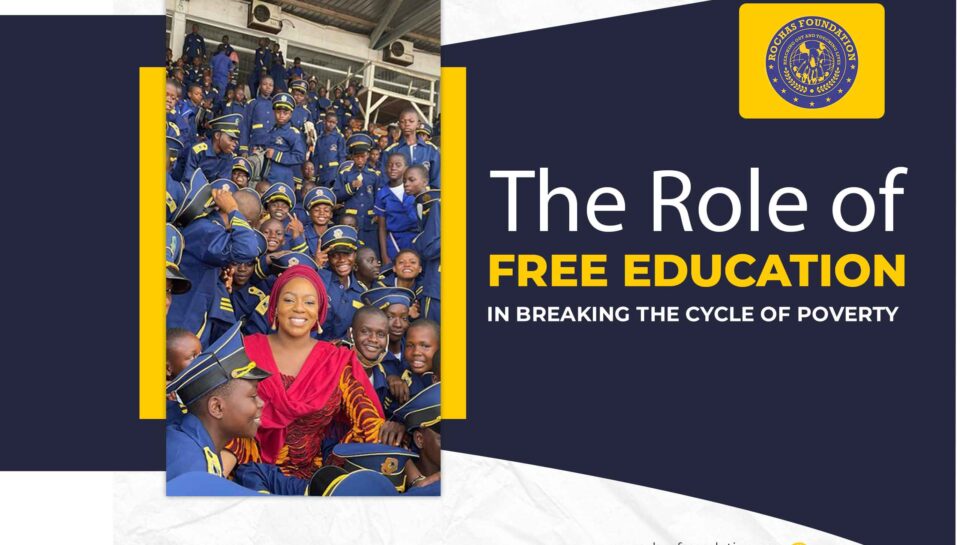
Free education plays an essential role in shaping the future of children living in underserved communities across Nigeria. In regions where poverty limits access to learning, programs that remove financial barriers become pathways to hope, opportunity, and long-term stability. For decades, foundations like the Rochas Foundation have shown how empowering children through accessible schooling can transform families and entire communities. By offering free education, scholarships, and holistic support, we help break the cycle that keeps communities trapped in generational poverty.
Understanding the Education Poverty Cycle
The education poverty cycle describes a pattern where lack of access to schooling leads to limited economic opportunities, which in turn reinforces poverty for future generations.
How Poverty Limits Educational Access
Families living below the poverty line often struggle to meet basic needs such as food, shelter, and healthcare. As a result, education becomes a secondary priority. Many parents cannot afford school fees, uniforms, or textbooks. In rural areas, children may have to work or support household activities instead of attending school. These challenges create an environment where children are denied the tools they need to rise above their circumstances.
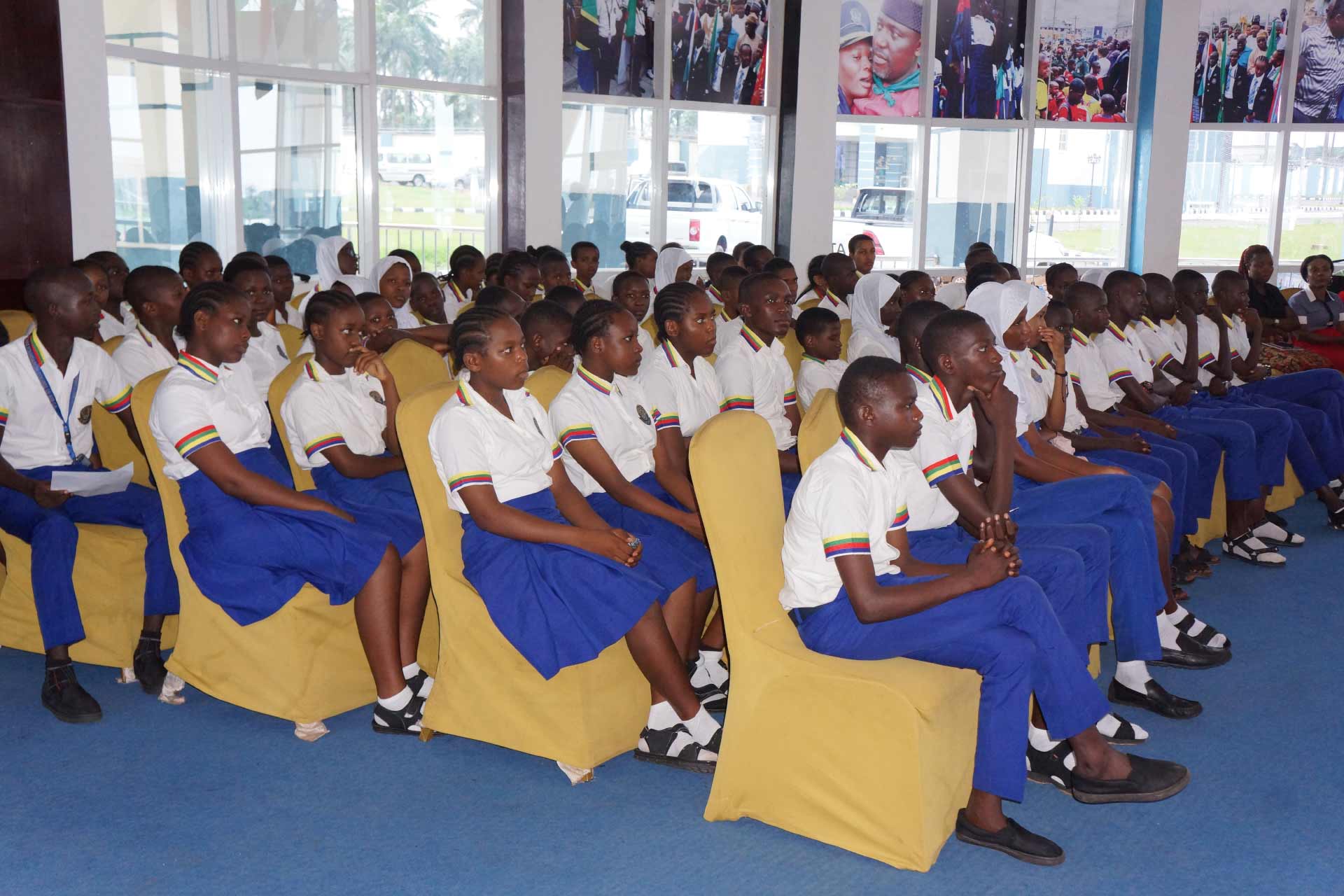
Long-Term Effects of Limited Learning Opportunities
Without access to school, children face reduced career prospects, poor health outcomes, and increased vulnerability to exploitation. Communities with high illiteracy rates experience stagnation, higher crime levels, and lack of social development. Without intervention, the cycle continues each generation locked into the same economic struggles as the last.
Why Free Education Matters for Children in Low-Income Areas
Free education provides a direct solution to the systemic issues that trap underserved communities in poverty.
Reducing Financial Barriers for Families
When school fees, uniforms, and learning materials are fully covered, families experience less financial stress. Parents no longer have to choose between sending their children to school and meeting daily survival needs. This shift opens doors for children to gain valuable life skills, literacy, and confidence.
Improving Social Mobility and Community Development
Education empowers children to dream beyond their circumstances. With the right knowledge and skills, they can pursue careers, start businesses, and contribute positively to their communities. Over time, educated individuals lift their families out of poverty, increasing household income, productivity, and economic growth.
Scholarships for Underprivileged Children: A Lifeline of Hope
Scholarships do more than cover the cost of education, they unlock potential. A scholarship for underprivileged children ensures that even those from the poorest backgrounds can access quality learning opportunities.
How Scholarships Transform Lives
Our scholarship programs include:
- Tuition-free learning
- Free accommodation and meals
- School supplies and uniforms
- Mentorship and personal development
- Access to extracurricular activities
These factors nurture not just academic success but also emotional and social development.
Success Stories
Amina, a girl from northern Nigeria, lost both parents at a young age. She gained admission into a Rochas Foundation College where she received free education, shelter, and emotional support. Today, Amina is studying nursing at a Nigerian university, eager to return and improve healthcare in her community.
Benefits of Free Education for National Development
The positive impact of free education expands far beyond individual children.
Economic Stability and Workforce Readiness
Countries with educated populations experience stronger economies. Skilled workers attract investment, drive innovation, and increase productivity. Free education prepares future professionals—teachers, doctors, engineers, and entrepreneurs—who shape the nation’s growth.
Reducing Crime and Social Inequalities
Communities with higher literacy levels often enjoy reduced crime rates. Education teaches conflict resolution, teamwork, and discipline. It provides young people with alternatives to harmful activities and supports gender equality by empowering girls with opportunities once denied to them.
Policy Implications and the Way Forward
To sustain progress, Nigeria must continue strengthening policies that support free education initiatives.
- Strengthening Government–NGO Partnerships
- Government agencies and NGOs like the Rochas Foundation can collaborate to:
- Expand school infrastructure
- Train teachers
- Improve curriculum delivery
- Support children with disabilities
- Provide digital learning tools
Such partnerships can significantly boost national development.
FAQs
1. How does free education help break the cycle of poverty?
Free education equips children with knowledge and skills necessary to secure better job opportunities, lifting families out of poverty.
2. What is the education poverty cycle?
It refers to a repeated pattern where lack of access to education leads to poverty, which then prevents the next generation from obtaining education.
3. Why are scholarships important for underprivileged children?
Scholarships remove financial barriers and provide academic, emotional, and social support, enabling children to reach their full potential.
4. How does the Rochas Foundation support free education in Nigeria?
The Foundation builds schools, offers scholarships, and provides holistic learning experiences across various Nigerian states.
5. What other benefits does free education provide?
Free education contributes to economic growth, reduces crime, improves gender equality, and strengthens community development.