


Understanding the International Day of the Girl Child
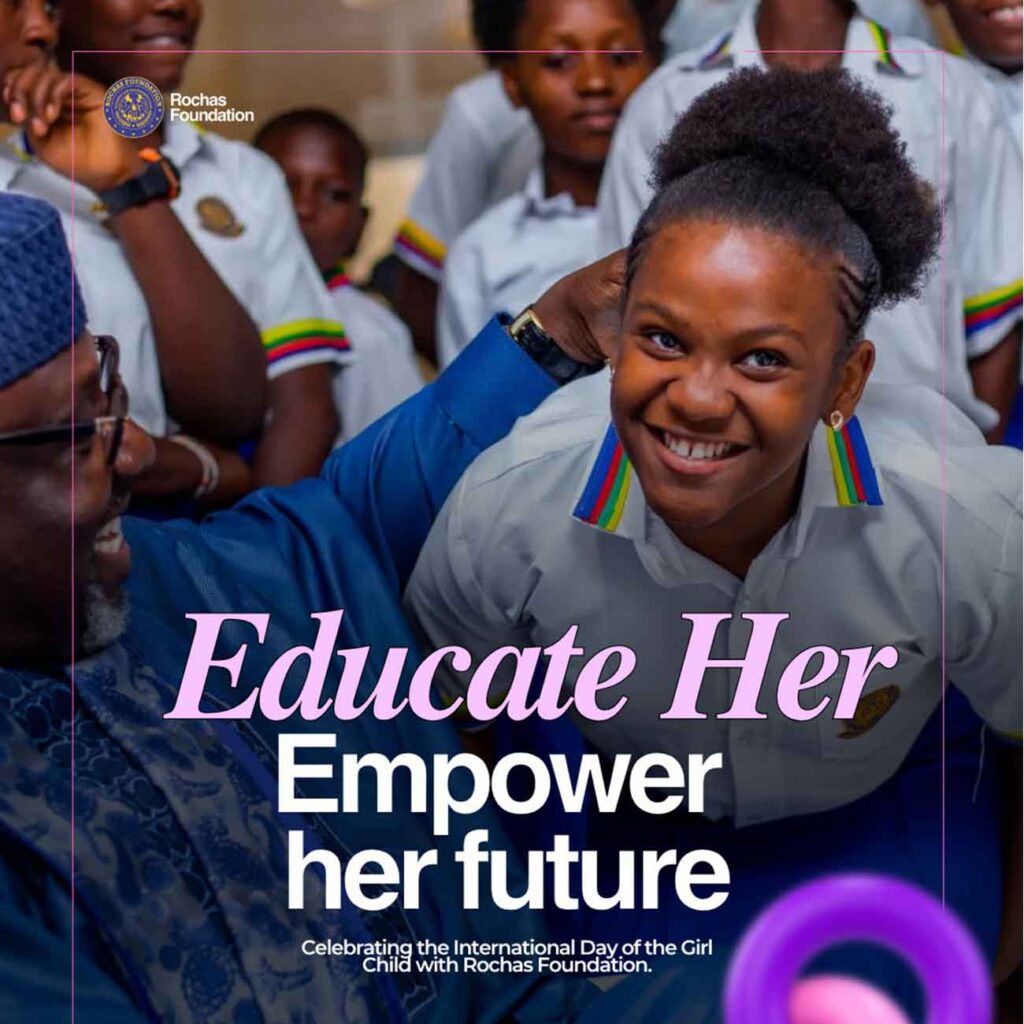
Every year on October 11, the world unites to celebrate the International Day of the Girl Child, a day dedicated to recognizing the rights of girls and the unique challenges they face globally. This observance, established by the United Nations in 2011, highlights the importance of empowering girls through education, equality, and opportunity.
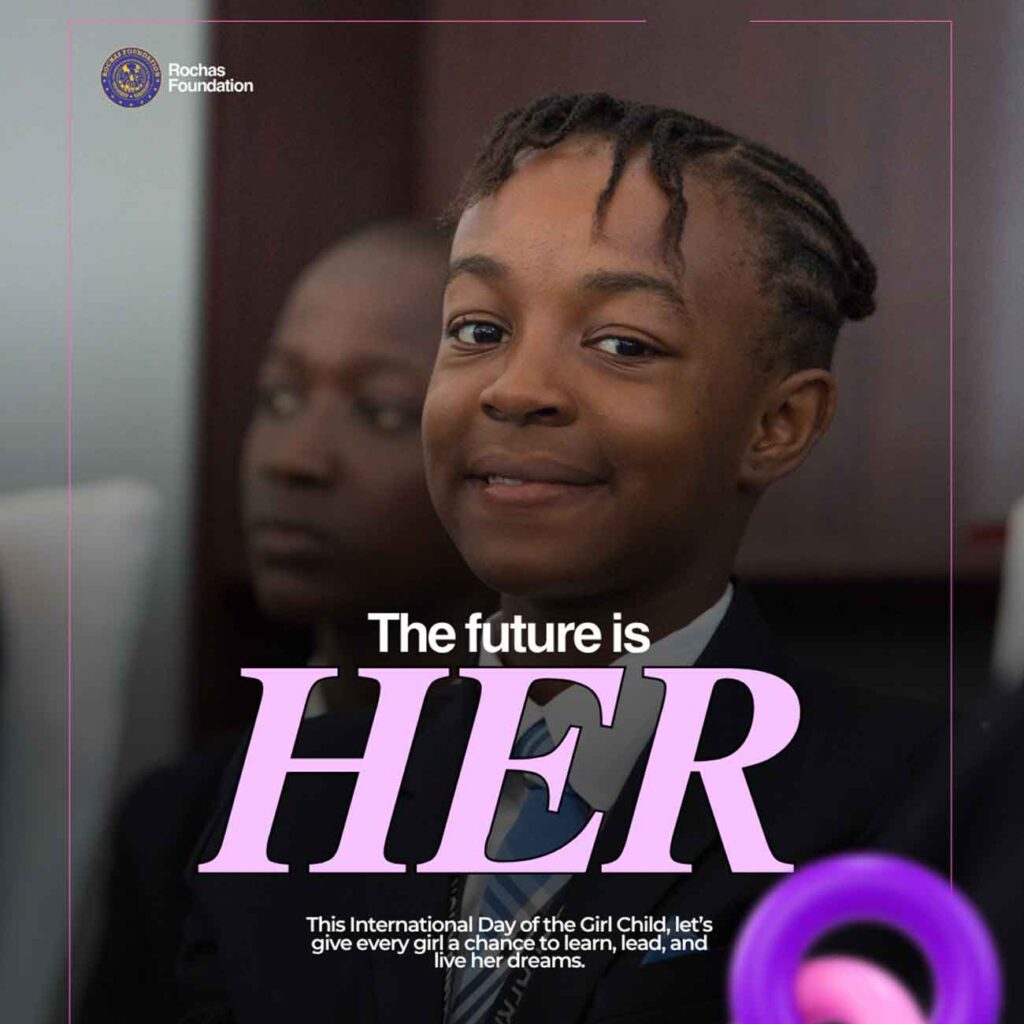
The History and Origin of the International Day of the Girl Child
The day was first proposed by Plan International, a global organization advocating for children’s rights and equality for girls. The United Nations officially adopted it in 2011, declaring October 11 as a day to promote awareness about gender inequality, discrimination, and the need to amplify girls’ voices worldwide.
Why the Day Matters Globally
Across continents, millions of girls still face limited access to education, healthcare, and safety. The International Day of the Girl Child is more than a celebration; it’s a call to action. It reminds us that when a girl is educated, she does more than learn; she transforms lives, uplifts families, and builds nations.
The Significance of Girls’ Education in Africa
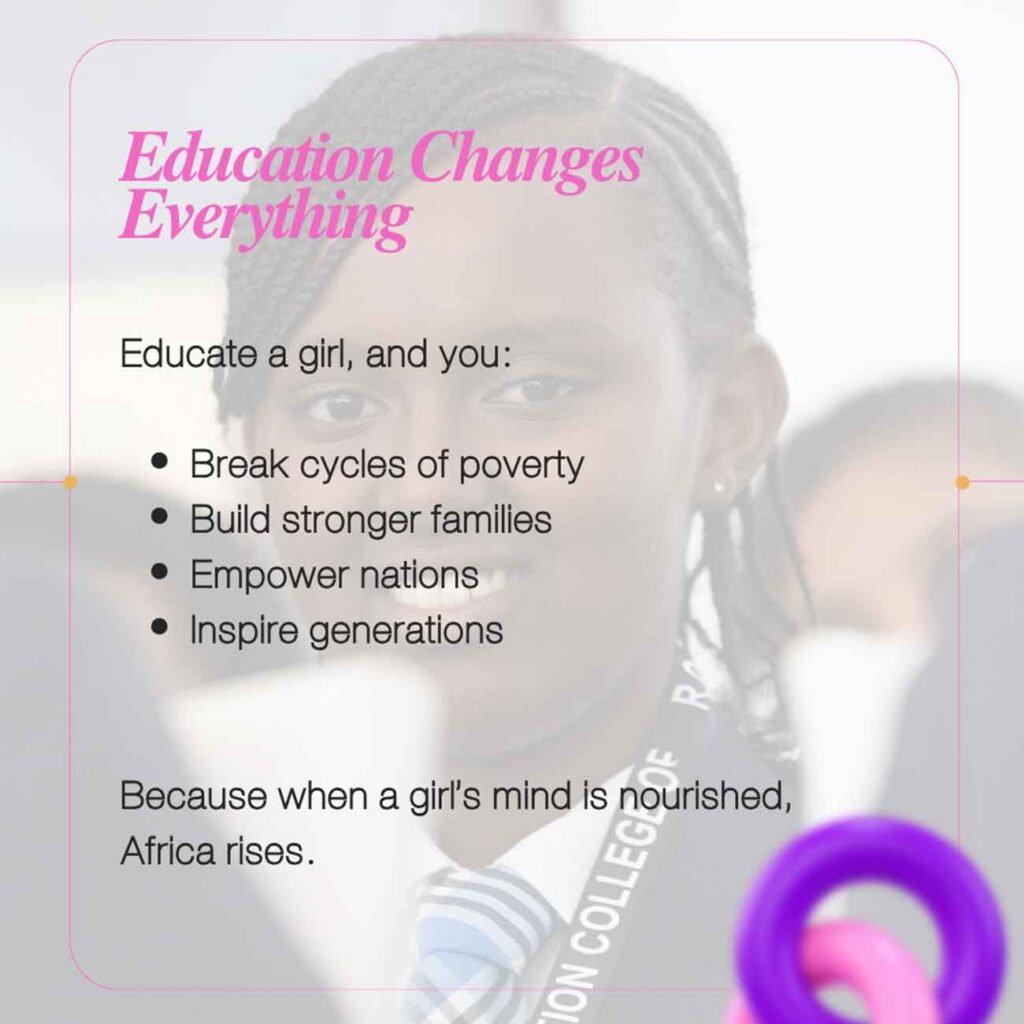
In Africa, the education of the girl child holds transformative power. It’s not just about schooling; it’s about empowerment, equality, and breaking the generational cycle of poverty.
Education as a Tool for Empowerment
Education equips girls with critical thinking skills, self-confidence, and independence. A girl who learns can make informed decisions about her health, career, and community. Studies show that each additional year of schooling for a girl increases her earning potential by up to 20%.
The Ripple Effect: How Educating One Girl Transforms a Community
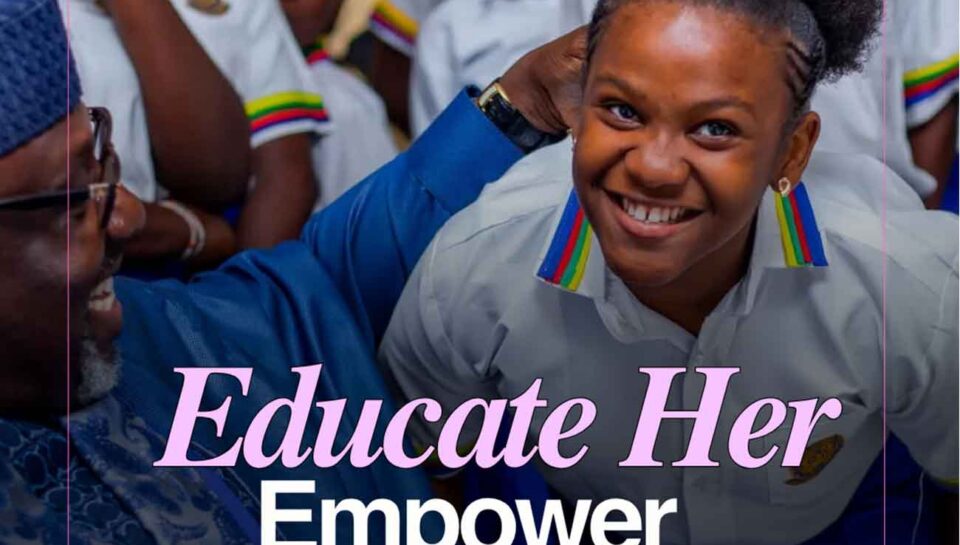
When one girl is educated, she becomes a catalyst for change. She’s more likely to educate her own children, participate in decision-making, and contribute to her nation’s development. The effects ripple across generations, shaping more inclusive, progressive societies.
Overcoming Barriers to Girls’ Education in Africa
Despite progress, barriers remain. Cultural norms, child marriage, poverty, and lack of infrastructure prevent millions of African girls from attending school. According to UNESCO, over 32 million girls of primary school age are out of school in Sub-Saharan Africa. Breaking these barriers requires collective commitment — from governments, NGOs, and communities alike.
The Role of Organizations like Rochas Foundation in Empowering Girls
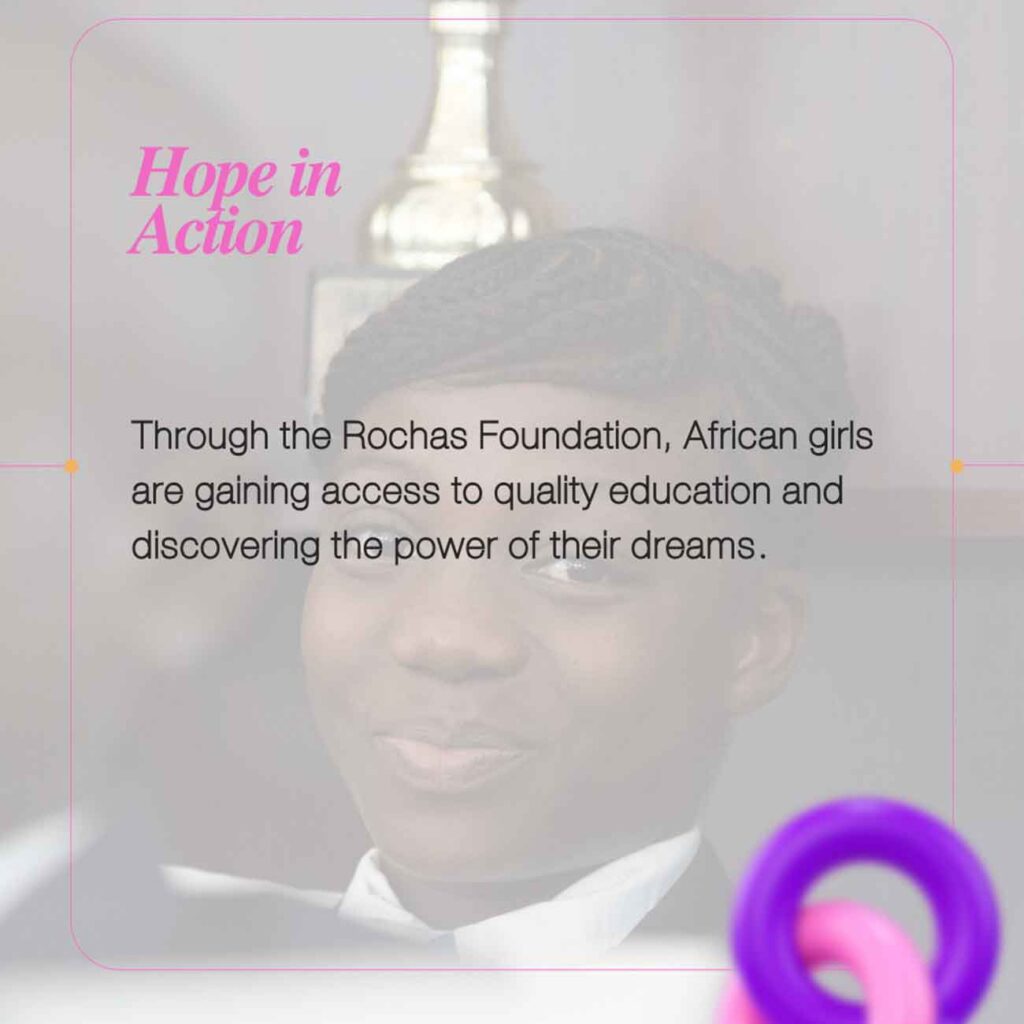
One shining example of dedication to girls’ empowerment is the Rochas Foundation. Through its education-focused initiatives, the foundation provides free schooling, mentorship, and leadership programs for underprivileged children — especially girls.
Initiatives Driving Education and Empowerment
The foundation’s programs emphasize not only academic learning but also emotional development, leadership, and community service. By creating a nurturing environment, they enable young girls to dream bigger and build self-worth.
Success Stories: Transforming Lives Through Learning
Many girls supported by Rochas Foundation have gone on to become change-makers in their communities, teachers, doctors, entrepreneurs, and leaders, proving that when given the chance, every girl can thrive.
The Economic and Social Impact of Educating the Girl Child
Educating girls fuels sustainable development. It strengthens economies, reduces inequality, and builds resilience against poverty.
Breaking the Cycle of Poverty
When a girl is educated, her family’s income potential grows, and her community prospers. According to the World Bank, educating girls is one of the most effective investments for ending poverty worldwide.
Promoting Gender Equality and Sustainable Development
Girls’ education aligns with UN Sustainable Development Goal 5 (Gender Equality). It creates empowered women who lead, innovate, and advocate for fairer societies, crucial steps toward achieving a just, inclusive world.
Challenges Facing the Girl Child Today
Even with global advocacy, challenges persist.
Early Marriage and Gender-Based Violence
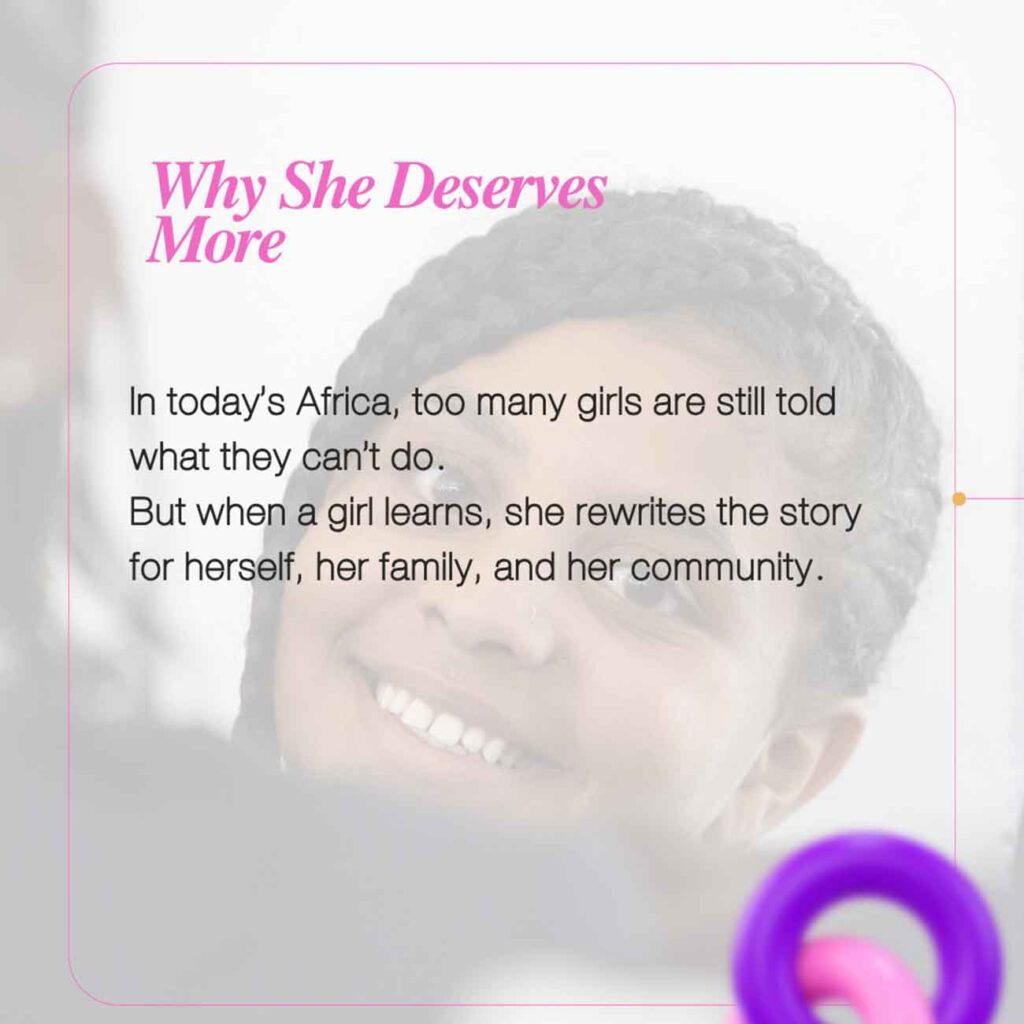
Child marriage remains a harsh reality in many African communities, depriving girls of education and freedom. Gender-based violence, both in schools and homes , continues to silence too many young voices.
Limited Access to Quality Education and Digital Skills
In today’s digital age, access to technology is a new form of inequality. Many girls, especially in rural areas, lack internet access and digital literacy, limiting their competitiveness in the modern world.
The Role of Governments, NGOs, and Communities
Achieving equality for girls requires a unified effort.
Policy Interventions That Make a Difference
Governments can enact laws that protect girls from early marriage, ensure free education, and provide scholarships for disadvantaged families. Such policies bridge gaps and open doors to opportunities.
Community Engagement and Cultural Transformation
Lasting change begins with community transformation. Educating parents and leaders about the value of educating girls helps dismantle harmful stereotypes that hold girls back.
Empowering the Next Generation of Female Leaders
Leadership starts with education and mentorship. Empowering girls to lead prepares Africa for a brighter, more inclusive future.
Building Confidence and Leadership Skills in Young Girls
Programs that teach public speaking, entrepreneurship, and critical thinking nurture confident, resilient leaders. Empowered girls grow into women who uplift others.
Inspiring Stories of African Girls Redefining the Future
From STEM innovators to social entrepreneurs, African girls are proving daily that their potential knows no bounds. Their courage inspires a movement, one that says, “Her mind matters. Her voice matters. She matters.”
FAQs About the International Day of the Girl Child
1. When is the International Day of the Girl Child celebrated?
It’s celebrated every year on October 11.
2. Why is the day important?
It raises awareness about the challenges girls face and celebrates their power, potential, and promise.
3. What is the theme for the International Day of the Girl Child 2025?
The theme varies yearly; it typically focuses on empowerment, education, and gender equality.
4. How can I participate in this celebration?
You can share awareness posts, donate to educational causes, volunteer, or host empowerment events for girls.
5. What are the main barriers facing girls globally?
Barriers include poverty, early marriage, gender-based violence, and limited access to quality education.
6. What role do organizations like Rochas Foundation play?
They provide free education, mentorship, and leadership programs that transform lives and communities.
Conclusion: Because Her Mind, Her Voice, and Her Future Matter
The International Day of the Girl Child reminds us that empowering girls isn’t just a moral duty, it’s an investment in our shared future. When a girl is educated, she doesn’t just learn; she leads, innovates, and transforms the world around her.
So today and every day, let’s celebrate her because her mind matters. Her voice matters. She matters.